

Consultative Supervision for helping professionals
Independent supervision offers you a confidential place to pause and reflect on your professional world. You can make sense of stressful situations, complicated dynamics and tricky ethical issues. If you'd like to feel more supported in your work, then you're in the right place.

For many professionals who support people as part of their roles it can be invaluable to have a neutral person to talk to in confidence about any aspect of the work they are doing. Some liken supervision to a pressure release valve – a time to be honest, talk freely, reflect and process what is coming up for them – without worrying about having to say the right thing in front of their manager. It helps prevent burn out and improves work / life balance as you have somewhere to process your thoughts and emotions meaning work stresses are less likely to bleed into the rest of your life.
I work with helping professionals based across Aotearoa New Zealand and the United Kingdom including:
-
School staff (including principals, senior leadership staff, designated safeguarding leads, teachers, support staff)
-
University staff
-
Social workers
-
Hospice staff
-
Nurses, medics and health care workers
-
Carers and support workers
-
Youth workers
What is supervision?
Supervision is an independent, boundaried relationship where the focus of discussion is on your work – although talking about things happening in your personal life which affect your work is relevant and totally fine to do too.
It isn’t line management: we don’t set performance targets or development goals. Instead the agenda for each conversation is set by you allowing you to focus on whatever is most pressing on your mind at that time. Our conversations are confidential meaning you can talk honestly knowing that neither your colleagues nor your employer will be told anything about what you say. It is a time to reflect on the work you are doing and the environment you’re in, to take stock, to explore relational dynamics and consider how you best support the people in your care.
Supervision is your time to pause and reflect - to look at the work you're doing, the environment you’re in and the relationships you're holding. I will encourage you to both celebrate successes and explore challenging situations. Together, we can explore dynamics, notice patterns and think about how to approach situations that feel stuck or difficult. If you're considering making changes - whether in your role, your relationships or your approach - we can think those through together too.
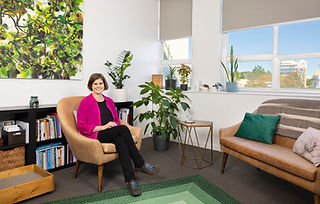

We can consider alternatives for how you might approach situations which are feeling stuck or repetitive and (if relevant) think about options for changes you might want to make in your relationships or workplace.
I’ll listen closely to what you share and offer reflections based on my therapeutic training and experience of working in a range of settings with children, young people and adults in a variety of clinical roles. Often my perspective may differ from those in your immediate team, which can offer a helpful new way of understanding the behaviour of others and of thinking about how you might respond differently.
I work in line with the BACP Ethical Framework and the NZAC Code of Ethics, and with regard to United Kingdom and Aotearoa New Zealand law. My role isn’t to judge your performance but I will let you know if I think you have a legal obligation to do – or not do - something if you’re unaware of it.
My relational style of supervision
I see a transparent and honest supervisory relationship as being a key foundation stone to ensure supervision is genuinely useful. I treat every individual supervisee warmly and with respect as a fellow human being as well as a fellow professional. I take time to listen and understand anxieties, strengths and areas for growth. I show up reliably as myself, meaning I’m honest about how I’m feeling, what I know and what I don’t.
Without these core conditions being present in the relationship, I think it would be impossible for a supervisee to feel safe enough to bring their vulnerabilities trusting that they would be respected and nurtured in the supervisory space. Research shows that the greater the rapport between supervisor and supervisee, the greater the supervisee’s ability to disclose sensitivities to their supervisor.
As well as offering warmth and empathy, I take the responsibility of holding the boundaries of the supervisory relationship seriously. Having experienced both helpful and harmful supervision myself, I’m deeply committed to offering boundaried, independent and ethical supervision that’s free from managerial pressures and unprocessed power dynamics.


I’m an LGBTQI+ ally and supervisees who identify as part of the Rainbow community can expect to feel respected, affirmed and safe in our work together.
Likewise, I enjoy working with people who are neurodivergent and supervisees who think and experience the world differently to the status quo can also expect to feel appreciated and empowered.
The supervisees I work with tend to grow in confidence and to develop in in line with their own aims and values.
Past supervisees have described me as:
“A supportive, professional, warm, boundaried, understanding, knowledgable and available supervisor.”
“Thank you for all of your support. I always value your guidance and suggestions and you really help to contain my anxieties about the work.”
Online and in-person sessions are available
If you live locally to me (in New Plymouth, Aotearoa New Zealand) then you can choose whether to meet in person or online. If you live further afield then we may solely meet online and not in person. Meeting online is time efficient – you don’t need to take time out to travel. All you need for supervision is to ensure you’re in a place with a strong telephone or internet signal, which is private, free from distractions and comfortable so you can focus and talk freely. You can find out more about the practical considerations here.
Ongoing sessions can be scheduled to suit you and can either be at the same time/day on a regular basis, or can be scheduled as and when needed to fit around other commitments. Each professional is different in terms of how much supervision feels useful and it may vary at different times. I suggest first thinking what would be most helpful for you (e.g. monthly, quarterly or termly meetings) and then we can take it from there.

Next steps

For practical information about working together please check out my FAQ page and if you have a question that isn’t covered then please feel free to message me.
When you’re ready you can either message me or book a free intro call of up to 20 minutes, which can either be by video call or (if you live in Aotearoa New Zealand) by telephone. During this we can talk together about what is prompting you to seek support at the moment, whether my style of supervision is likely to be helpful for you and whether we both have availability to be able to meet.
If we agree that supervision sessions together are practically possible and likely to be helpful, then I will email you a brief online assessment form to complete along with a copy of my standard supervision agreement for you to read through. The terms in that can also be found on the Terms & Conditions and Privacy pages.
We will agree a time for an initial assessment appointment. This can either be in-person based at the Paper Plane Counselling office on Devon Street West, New Plymouth or online by video call. This appointment lasts for up to 60 minutes and is charged for. The assessment appointment involves discussing one or two aspects of your work in more depth to trial how it feels for us both to work together. From this we can make a more informed judgment about whether we want to go ahead and meet on a regular basis.
When you’re ready you can either send me a message or book an initial free 20-minute conversation directly - whichever works best for you. I will be very pleased to hear from you.